


Most sump pumps last 7 to 10 years, though I've pulled some out at year four and serviced others still going strong at fifteen. The real answer depends on water volume, build quality, installation, and whether anyone has actually maintained it.
Key Takeaways
- Average sump pump lifespan is 7–10 years, with submersible models typically outlasting pedestal pumps in heavy-use Central Ohio basements.
- Sump pump batteries last 3–5 years for standard AGM/lead-acid, and 7–10 years for newer lithium-ion backups.
- The biggest lifespan killer is overwork — an undersized pump in a high-water-table home will burn out years early.
- Test your pump every spring by pouring a bucket of water into the pit. If it doesn't kick on within seconds, call a plumber before storm season.
If you've ever stood in a flooded basement at 2 a.m. listening to a sump pump that should be running but isn't, you already know why this question matters. How long do sump pumps last? In my experience as a licensed plumber serving Central Ohio, the honest answer is 7 to 10 years for most residential units — but I've seen that number stretch or shrink dramatically depending on how the pump was installed, sized, and cared for.
I'm Evangelynn Hughes, owner of Shorty's Plumbing, and I've replaced more sump pumps in Worthington, Dublin, Hilliard, Bexley, and Westerville than I can count. Some failed early because nobody touched them for a decade. Others were undersized from day one and ran themselves into the ground. In this guide, I'll walk you through what actually determines sump pump lifespan, how to spot a dying pump, and how long those battery backups really last when the power goes out.
How Long Does a Sump Pump Last on Average?
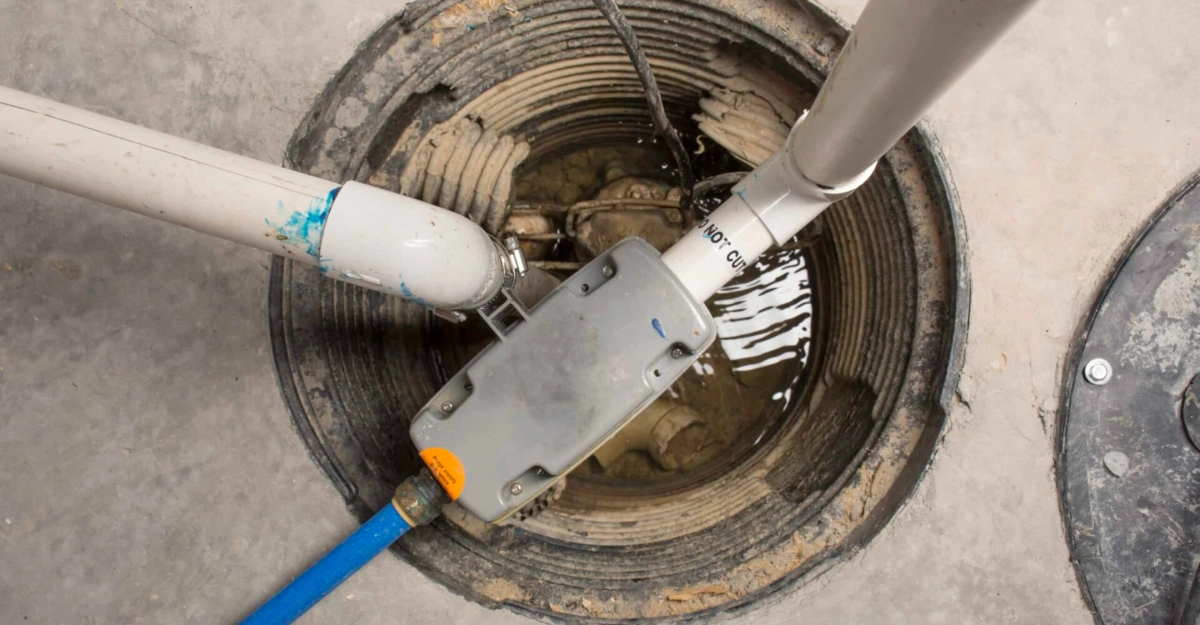
The average sump pump lasts 7 to 10 years under normal residential use. That's the industry baseline backed by major manufacturers and matches what I see in the field — though plenty of factors push that number in either direction.
Submersible vs. Pedestal: Which Lasts Longer?
Submersible pumps sit inside the sump pit underwater, while pedestal pumps mount their motor above the pit on a long shaft. Submersibles are what I install in almost every Columbus basement I work in. The water actually helps cool the motor, the cast-iron housing resists corrosion well, and they run quieter. According to Zoeller's own product guidance, a quality submersible should comfortably hit that 7–10 year mark when sized correctly.
Pedestal pumps can technically last longer on paper — sometimes 20+ years — because the motor stays dry. But they're noisier, less powerful, and most of my customers in Central Ohio have finished basements where appearance and sound matter.
Brand and Build Quality Make a Bigger Difference Than People Think
Not all pumps are built the same. A cast-iron Zoeller, Liberty, or comparable professional-grade pump from a plumbing supply house is built differently than a plastic-housing unit pulled off a big-box store shelf. "I tell every homeowner the same thing," I always say. "You can spend $150 now and replace it in four years, or spend $400 and not think about it for a decade. The math isn't complicated."
Water Volume and Cycle Frequency
The harder a pump works, the faster it wears out. Homes near the Olentangy and Scioto, properties with a high water table, or basements that take on heavy runoff in spring storms cycle far more often than a dry basement in New Albany. More cycles equals more wear on the motor, bearings, and float switch — period.
How Long Do Sump Pump Batteries Last?
Most sump pump backup batteries last 3 to 5 years, though lithium-ion models can stretch to 7–10. During an actual outage, expect roughly 5 to 7 hours of continuous pumping or 1–3 days of intermittent pumping on a healthy, fully charged battery.
The Two Lifespan Numbers Most People Confuse
When customers ask about battery backup lifespan, they're really asking two different questions. There's shelf life — how many years the battery sits in your basement before it needs to be replaced — and runtime — how many hours it can pump during a single power outage. Both matter, and both decline over time. A battery that ran your pump for 7 hours when new might only give you 2 hours by year four.
AGM vs. Lithium-Ion
Most of the backup systems I install use AGM (Absorbent Glass Mat) lead-acid batteries. They're sealed, low-maintenance, and typically deliver 4–6 years of reliable service. Lithium-ion is the newer option — more expensive upfront, but with significantly longer life and better cold-weather performance. For a Columbus basement that drops below 50°F in winter, that cold tolerance actually matters.
When to Replace Your Backup Battery
Don't wait for the battery to fail during a storm — that's the worst time to find out. I tell clients to plan on replacement at year four, regardless of how it's testing. If your backup unit is beeping, if the voltage reads below 12.1 on a multimeter, or if the runtime during your annual test feels short, replace it now.
How Can You Tell If Your Sump Pump Is Working?
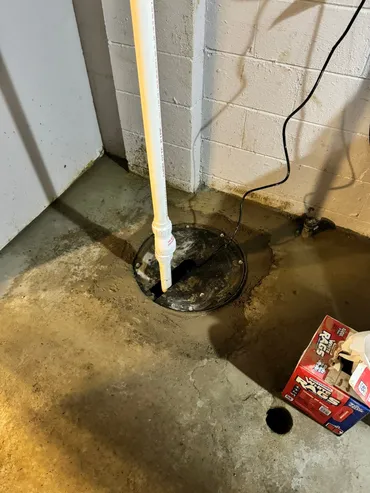
The fastest way to tell if your sump pump is working is to slowly pour a 5-gallon bucket of water into the pit and watch what happens. A healthy pump kicks on within a few seconds, pumps the pit down, and shuts off cleanly.
The Bucket Test (Do This Every Spring)
Before storm season hits Central Ohio in March and April, I want every homeowner to do this. Pour water in gradually until the float rises. The pump should engage smoothly, discharge water out through the pipe, and cut off once the pit is low again. If it hesitates, hums without pumping, or runs after the water is gone, something is wrong.
Warning Signs Your Pump Is Failing
There are several signs I've learned to watch for over the years:
- Constant cycling — kicking on and off every minute or two even without much water inflow. Usually a float switch or check valve issue.
- Strange noises — grinding, rattling, or loud humming points to a worn impeller or failing motor bearings.
- Visible rust on the housing — if you can see corrosion on the outside, it's worse inside.
- Runs but doesn't pump — the motor sounds fine but water level isn't dropping. Often a clogged intake, sometimes a dead impeller.
- Doesn't run when it should — water in the pit, pump silent. Almost always a stuck float, bad switch, or dead motor.
The Annual Maintenance That Adds Years
A 30-minute inspection once a year is the cheapest insurance you'll ever buy on this equipment. I have a customer in Worthington whose original Zoeller submersible is on year 14 — and the only reason is that we've cleaned the pit, tested the float, and checked the check valve every single spring since they bought the house. "Sump pumps don't usually die of old age," I'll tell people. "They die of neglect."
What Shortens a Sump Pump's Lifespan?
The biggest lifespan killers are undersized pumps, dirty pits, bad check valves, and skipped maintenance. Any one of these can cut years off a unit that should otherwise be fine.
Undersizing for Your Water Volume
A 1/3 HP pump is plenty for a dry suburban basement that sees occasional water. But if you've got a high water table or your pit fills up every few minutes during a rain event, that small pump is going to short-cycle itself to death. I've replaced two-year-old pumps that were simply too small for the home they were protecting. Sizing up to a 1/2 or 3/4 HP unit, or adding a larger basin, often pays for itself in pump longevity alone.
Debris in the Pit
Sump pits collect everything — dirt, gravel, pieces of concrete from when the basement was poured, paper, even mouse nests. All of it can clog the intake or jam the float. A tight-fitting pit lid prevents most of this, and an annual cleaning handles the rest. If you've never lifted the lid on your pit, that's the first place I'd start.
Bad or Missing Check Valves
The check valve sits on the discharge pipe and keeps already-pumped water from flowing back into the pit when the motor shuts off. When it fails, the pump ends up moving the same water twice — running far more cycles than it should and burning out years early.
Skipping Maintenance Entirely
This is the most common one. Most sump pumps in Central Ohio basements never get touched between installation and failure. The pump that should have lasted 10 years dies at 6 because the float got jammed, the pit was full of sediment, or the discharge line froze and cracked one winter. A licensed plumber can spot all of this in one visit.
Should You Repair or Replace Your Sump Pump?
Replace your sump pump if it's over 7 years old, has failed more than once, or shows visible rust and corrosion. Repair makes sense for newer units with a single, isolated issue like a stuck float or clogged intake.
The 7-Year Rule
If your pump is under 5 years old and the problem is something simple — a stuck float, a clogged screen, a tripped GFCI — repair is fine. Once you're past the 7-year mark, though, you're throwing money at a unit that's going to fail soon regardless. At that point I almost always recommend replacement, because the cost of a new pump is small compared to the cost of a flooded basement.
Cost Considerations for Columbus Homeowners
A straightforward sump pump replacement in Central Ohio typically runs $400–$900 for a quality unit, professionally installed. A full new installation with a new pit, discharge line, and battery backup runs higher. Compare that to the average basement flood claim — easily $5,000–$15,000 in damage and mold remediation — and proactive replacement is the cheaper move every time. If you're considering an upgrade or installing one for the first time, I'd point you to our sump pump installation services in Columbus for a straight quote.
When a Battery Backup Becomes Non-Negotiable
If your basement is finished, if you've ever lost power during a storm, or if you travel often, a battery backup isn't optional in my book. Power outages and severe weather tend to hit at the same time — that's exactly when your primary pump needs help. I cover this in more detail on our sump pump installation page, but the short version is: the battery backup pays for itself the first time it saves your basement.
How Do You Make a Sump Pump Last Longer?
The four habits that extend sump pump lifespan are: annual professional maintenance, cleaning the pit, testing the system every spring, and replacing the backup battery on schedule. None of it is complicated, and all of it adds years.
Annual Plumber Inspection
A professional inspection catches what homeowners miss — worn bearings, early rust, undersized discharge piping, float switch fatigue. According to Family Handyman's maintenance guidance, this kind of yearly check is the single biggest factor in stretching a sump pump past its expected lifespan.
Smart Outlets and Water Alarms
A WiFi-enabled smart outlet that tracks how often your pump cycles is one of the best $50 investments a homeowner can make. It'll text you when something's off — long before you'd otherwise notice. Pair it with a basic water alarm in the basement and you've got a system that warns you before disaster, not after.
Don't Wait for the Failure
The customers who lose basements are almost always the ones who pushed their pump one rainy season too far. If yours is past 7 years, schedule a sump pump assessment with our team before the next storm. It's the kind of preventive call that nobody regrets making.
FAQ
How often should I replace my sump pump?
Plan to replace your sump pump every 7–10 years, even if it still appears to be working. Internal components wear out long before total failure, and proactive replacement is far cheaper than flood cleanup.
How long do sump pump batteries last during a power outage?
A healthy, fully charged backup battery typically runs the pump for 5–7 hours continuously or 1–3 days intermittently. Runtime drops significantly as the battery ages, so test yours annually.
Can a sump pump last 20 years?
Yes, occasionally — usually a high-quality pedestal pump in a dry basement with diligent maintenance. But it's the exception, not the rule. Plan around 10 years to be safe.
Why does my sump pump run constantly?
Constant running usually points to an undersized pump, a stuck float switch, a failed check valve, or a high water table the pump can't keep up with. Any of these will dramatically shorten the pump's remaining life and should be diagnosed quickly.
Is it worth replacing my sump pump before it fails? If your pump is over 7 years old, yes. The cost of replacement is a fraction of what a flooded basement costs in water damage, mold remediation, and lost belongings.
Final Thoughts
So, how long do sump pumps last? Plan on 7 to 10 years for the pump itself and 3 to 5 years for the backup battery — but treat those numbers as guidelines, not guarantees. The pumps I see hit the high end of that range are always the ones that got annual attention, were sized correctly, and had a good battery backup standing by. The ones that fail at year four are almost always the cheap, undersized, ignored ones.
If you're in the Columbus area and you don't know how old your sump pump is — or you do know, and it's pushing a decade — don't wait for the next big storm to find out the hard way. The team at Shorty's Plumbing is happy to take a look, give you an honest read, and put together a quote for replacement or a battery backup if that's what you need. Reach out anytime for a Columbus sump pump installation consultation. Your basement will thank you.